.jpg)

How Often Should You Change Your Bed Sheets? A Professional Cleaner's Guide
Updated: Apr 8
Is there anything more inviting than the feeling of slipping into a bed with fresh, crisp sheets? We don't think so. Yet, for many busy households, that feeling can be all too rare. If you've ever found yourself wondering about the 'correct' bed sheet changing frequency, you're certainly not alone. Is it weekly? Fortnightly? Does it really make a difference? As professional cleaners, we can tell you with confidence that it absolutely does-impacting everything from skin health and allergies to the quality of your sleep.
We're here to take the guesswork out of this essential household chore. As your trusted Geelong cleaning specialists, our goal is to help you create a spotless and stress-free home, and that sanctuary begins where you rest. In this guide, we’ll reveal the expert-recommended schedule for washing your bedding. You'll learn not only the simple rule to follow but also our professional tips to make the process easier, ensuring your bed is the clean, healthy, and comfortable retreat you deserve.
Key Takeaways
The professional standard is to wash your sheets once every week to combat the invisible build-up of skin cells, oils, and sweat for a healthier sleep environment.
Your ideal bed sheet changing frequency might be more often than weekly, particularly if you have allergies, sleep with pets, or have been unwell.
Unwashed bedding can harbour dust mites and bacteria, which may trigger allergies, irritate your skin, and affect your overall respiratory health.
A truly clean bed goes beyond the sheets; discover the recommended cleaning schedule for your pillows, duvet, and mattress to ensure complete freshness.
Table of Contents The Professional Guideline: How Often to Change Your Sheets What's Really Lurking in Unwashed Sheets? A Microscopic Look When to Increase the Frequency: 7 Reasons to Wash Sheets More Often Beyond the Sheets: A Cleaning Schedule for Your Entire Bed Pro Tips for Washing Bedding for Maximum Freshness
The Professional Guideline: How Often to Change Your Sheets
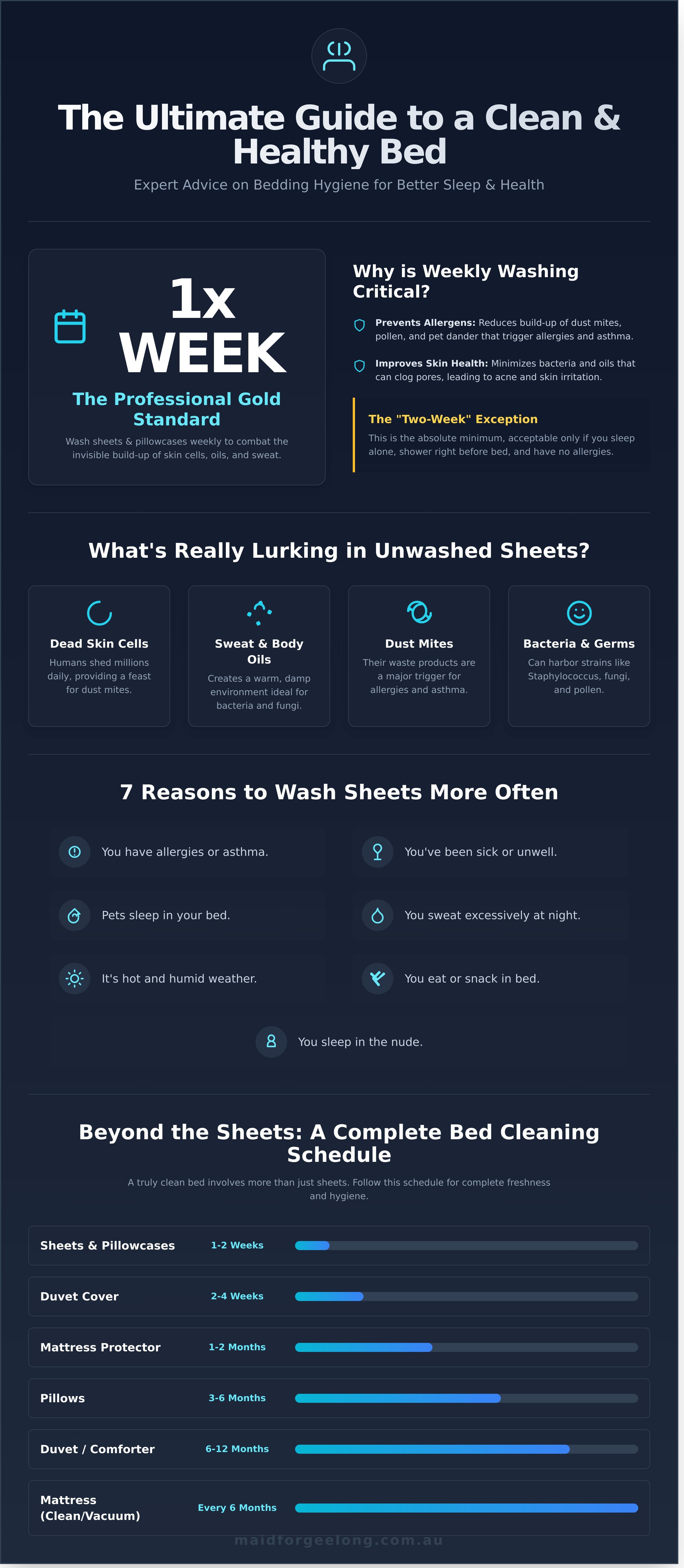
When it comes to maintaining a truly clean and healthy home, the bedroom is often overlooked. We get asked all the time about the ideal bed sheet changing frequency, and our professional advice is simple and direct: once a week is the gold standard. This isn't just about keeping your bed looking fresh; it's about managing the invisible build-up that accumulates every single night.
While you sleep, your body naturally sheds dead skin cells and secretes sweat and oils. This creates a welcoming environment for dust mites and bacteria. A weekly wash cycle is the most effective way to keep these unwelcome guests at bay and ensure your sleep sanctuary is as hygienic as possible. While the full definition of what is considered bedding includes duvets and mattress protectors, your sheets and pillowcases are the frontline items that require the most consistent attention.
Why Weekly is the Recommended Standard
Considering we spend roughly one-third of our lives in bed, the importance of a clean sleeping surface cannot be overstated. A weekly wash prevents a significant build-up of allergens like dust mites, pollen, and pet dander, as well as bacteria that can contribute to skin irritation and acne. This recommendation isn't just a preference; it aligns with advice from dermatologists and hygiene specialists who understand the connection between clean bedding and overall health.
Can You Go Longer? The Two-Week Rule
While weekly is best, we understand life gets busy. If you absolutely must extend the time, a two-week interval can be acceptable under specific conditions. This "two-week rule" generally applies if you sleep alone, consistently shower right before getting into bed, and don't suffer from allergies. Think of this as the absolute minimum for basic hygiene. In later sections, we'll cover the specific situations-like illness or hot weather-where you must increase your bed sheet changing frequency.
What's Really Lurking in Unwashed Sheets? A Microscopic Look
While your bed might look clean, it’s a bustling ecosystem on a microscopic level. Understanding what accumulates between washes isn’t meant to scare you, but to empower you with the knowledge to create a healthier sleeping environment. When you know why you're doing a chore, it feels less like a task and more like an essential act of self-care. This knowledge is the foundation for determining the right bed sheet changing frequency for your household.
This commitment to self-care also applies to what you wear while you sleep. To find comfortable, high-quality sleepwear that enhances your clean and healthy sleep environment, check out Dar Lon Garment.
This sense of self-care and effortless elegance can extend beyond the home and into your personal style. For more on that, you can read more.
The Invisible Guest List in Your Bed
Each night, you share your bed with a variety of microscopic particles and organisms. While this is perfectly normal, allowing them to build up can cause problems. Leading authorities like the Sleep Foundation offer detailed guidance on how often to wash your sheets precisely because of what accumulates over time. Here’s a look at your unseen bedfellows:
Dead Skin Cells: Humans shed millions of skin cells every single day, and many of them end up in our beds. These flakes are a primary food source for dust mites.
Sweat and Body Oils: On average, you produce a significant amount of sweat each night. This moisture, combined with natural body oils, creates a damp, warm environment—the perfect breeding ground for bacteria and fungi. If this moisture leads to a musty smell or visible mould in the bedroom, it's a sign of a bigger issue; you can discover ABC Mould Cleaning Solutions to address it professionally.
Dust Mites: These microscopic arachnids thrive in bedding, feeding on the skin cells we leave behind. It’s not the mites themselves but their waste products that are a major trigger for allergies and asthma.
Bacteria and Germs: Your sheets can also harbour various bacteria, including common strains like Staphylococcus aureus, as well as fungi, pollen, and particles from pet dander.
How Dirty Sheets Can Affect Your Health and Sleep
A regular bed sheet changing frequency is about more than just freshness; it's a key part of maintaining your health. When the microscopic guest list gets out of control, it can have tangible effects on your well-being and sleep quality.
Allergies and Asthma: For those with sensitivities, the allergens from dust mite waste can trigger persistent symptoms like sneezing, a runny nose, itchy eyes, and even asthma attacks.
Skin Irritation and Acne: The combination of bacteria, dead skin, and clogged oils on your pillowcase can irritate sensitive skin and clog pores. To further protect your skin from irritation, especially from shaving, you can discover Reset Razor, a high-quality, reusable razor that is just as important as a clean pillowcase.
Weakened Immune System: Constantly sleeping in a germ-filled environment can place a low-level stress on your immune system. This is particularly crucial for those managing illness or injury, where professional support from services like MoveMed can help treat underlying causes and support recovery.
Improved Sleep Quality: For individuals with specific health challenges that affect sleep, such as breathing difficulties, a clean environment is just one part of the solution. To learn more about therapies that can help, check out Accessible Care.
Lingering Odours: Body oils and bacteria eventually break down and create a musty, unpleasant smell that can disrupt the peaceful, clean atmosphere needed for restful sleep.
Environmental Stressors: Beyond biological factors, some also point to environmental stressors like electrosmog as potential disruptors of deep, restorative sleep. If you've addressed hygiene but still struggle with sleep quality, you may want to discover Radiation-Free Living and its approach to creating a healthier home environment.
Mental Well-being: The connection between a clean, restful environment and mental health is well-established. If ongoing stress or poor sleep are impacting your quality of life, professional support can make a significant difference. For those exploring therapeutic options, Safe Harbor Behavioral Health offers individual therapy to help manage these challenges.
The common thread here is that consistent, simple hygiene practices are foundational to overall health. This is just as true for oral hygiene as it is for your bedding. Neglecting dental health can lead to wider issues, which is why professional care, particularly for prosthetics, is vital. For expert maintenance and advice, a specialized facility like Bulleen Denture Clinic can be an essential partner in your health routine.
When to Increase the Frequency: 7 Reasons to Wash Sheets More Often
While washing your sheets once a week is a solid rule of thumb, it’s not a universal law. The ideal bed sheet changing frequency for your home depends entirely on your health, lifestyle, and personal habits. Think of the weekly wash as a baseline-a starting point from which you can create a personalised schedule. Being flexible with your routine is the key to maintaining a truly clean and hygienic sleeping environment.
Certain factors significantly increase the buildup of sweat, oils, skin cells, and allergens in your bedding. If any of the following apply to you, it’s wise to put your sheets in the wash more often.
Health and Allergy Considerations
Your health is a primary reason to increase washing frequency. For a healthier night's sleep, consider changing your sheets every 3-4 days if you have allergies or asthma, as this helps remove dust mites and other triggers. When you're sick with a cold or flu, changing sheets daily (or as soon as you feel better) can help prevent reinfection. Likewise, if you have sensitive skin or conditions like eczema, fresh, clean sheets are crucial to avoid irritation.
Lifestyle and Household Factors
How you use your bed makes a big difference. If you let pets sleep with you, their fur, dander, and anything they track in from outside warrant washing your sheets every 3-4 days. Medical experts confirm that your personal environment is a major factor in determining how often you should wash your sheets. Other lifestyle factors that call for more frequent washing include:
You eat or drink in bed. Spills should be cleaned immediately to prevent stains and bacteria growth.
You sweat heavily at night. Excess moisture creates a breeding ground for bacteria.
You live in a hot, humid climate. Similar to sweating, environmental humidity can contribute to a less hygienic bed.
Personal Habits That Matter
Finally, your pre-bedtime routine plays a role. If you sleep naked, your body has more direct contact with the fabric, transferring more oils and sweat, which means more frequent washing is needed. Similarly, if you don't shower immediately before bed, you bring the day's accumulation of dirt and germs with you between the sheets.
Keeping up with a more demanding laundry schedule can feel like another chore on an already long list. Feeling overwhelmed? Let our professional team handle your home cleaning.
Beyond the Sheets: A Cleaning Schedule for Your Entire Bed
A consistent bed sheet changing frequency is the foundation of a clean bed, but true hygiene goes much deeper. Your pillows, duvet, and even the mattress itself collect dust mites, allergens, and skin cells over time. To ensure your sleep sanctuary is genuinely spotless and stress-free, it’s essential to adopt a cleaning schedule that cares for your entire bed. This professional approach guarantees a healthier, more refreshing place to rest your head.
This comprehensive approach is a hallmark of quality residential services. For instance, the expert teams at Arvand Cleaning also emphasize a whole-home approach to hygiene, recognizing that a clean bedroom is just one part of a healthy living space.
Similarly, for residents in the Lowcountry of South Carolina seeking the same high standards, the team at Pure Breeze Clean also exemplifies this commitment, providing professional cleaning that ensures every part of the home is a sanctuary.
Similarly, for residents in the Lowcountry of South Carolina, the team at Pure Breeze Clean also exemplifies this commitment, providing professional cleaning that ensures every part of the home, including the bedroom, is a sanctuary.
Weekly and Monthly Bedding Tasks
These are the high-impact tasks that maintain day-to-day freshness and hygiene. Sticking to this simple routine makes a significant difference in preventing the build-up of everyday grime and allergens in your sleeping environment.
Weekly: Wash your sheets, pillowcases, and duvet cover. This is the most critical step for removing sweat, oils, and dead skin cells that accumulate quickly.
Monthly: Your mattress protector is the first line of defence for your mattress. Give it a thorough wash once a month to keep it working effectively.
Monthly: On a sunny day, take your duvet and pillows outside to air for a few hours. The sun's UV rays are a natural and effective disinfectant and deodoriser.
Seasonal and Bi-Annual Cleaning
Think of these tasks as your bedding's deep clean. They tackle the dirt and allergens that accumulate over longer periods, ensuring your bed remains a pristine and healthy space year-round.
Every 3-6 Months: Wash your pillows and duvet or comforter. Always check the care label first, as some delicate materials or large items may require professional cleaning.
Every 6 Months: Use your vacuum's upholstery attachment to thoroughly vacuum your mattress. Pay close attention to seams and crevices where dust mites love to hide. Spot-clean any stains immediately with an appropriate fabric cleaner.
Annually: While you manage your bedding, a professional mattress deep clean can provide ultimate peace of mind. Our trusted Geelong home cleaning specialists can incorporate this into a comprehensive deep clean, ensuring your entire home feels as fresh as your bed.
Pro Tips for Washing Bedding for Maximum Freshness
Determining the right bed sheet changing frequency is the first step towards a hygienic sleep environment. However, washing your linen correctly is just as important as washing it often. As professional cleaners, we know that the right technique not only ensures a deeper clean but also helps your expensive bedding last longer. Avoid common laundry mistakes and achieve that crisp, hotel-quality freshness in your own home with these trusted tips.
This standard of "hotel-quality freshness" is precisely what top-tier accommodations aim for to ensure guest comfort. For a great example of this in practice, especially if you're ever planning a trip to Greece, you can check out Rooftops of Athens, which provides that pristine experience for visitors. That same feeling of luxury extends to classic hotel breakfasts, and for inspiration, you can explore Eggs Benedict and find the perfect start to your day.
The Right Way to Wash and Dry
For a truly spotless result, follow this simple process every time you launder your sheets, doonas, and pillowcases. This professional method removes grime and allergens effectively without damaging delicate fabrics.
Use the Right Temperature: Always check the care label first, but wash sheets in the hottest water the fabric can safely tolerate. A warm or hot wash is most effective at killing germs and eliminating dust mites.
Don't Overcrowd the Machine: Give your bedding enough space to tumble freely in the wash. An overloaded machine can't clean or rinse properly, trapping dirt and detergent in the fibres. Wash large items like doonas separately.
Be Smart with Detergent: A quality detergent is essential, but more isn't better. Using too much can leave a residue that makes sheets feel stiff and can irritate your skin. Follow the instructions on the bottle for the best results.
Dry with Care: High heat can damage and shrink natural fibres like cotton and linen. Tumble dry on a low to medium setting, or better yet, line-dry your sheets in the Australian sun for a naturally fresh scent and antibacterial boost.
Maintaining a Fresh Bed Between Washes
You can easily extend that clean-sheet feeling and maintain a more hygienic bed between washes with a few simple daily habits. These small actions reduce the build-up of sweat, oils, and dirt, making your bed a more pleasant place to be.
Air it Out Daily: Instead of making the bed immediately, fold your doona back for at least 30 minutes each morning. This allows moisture to evaporate, making your bed less inviting for bacteria and dust mites.
Shower Before Bed: Rinsing off the day's sweat, body oils, and skin cells before you get into bed significantly reduces what gets transferred onto your sheets.
Keep Pets and Shoes Off: Your bed should be a sanctuary. A strict "no shoes on the bed" rule prevents dirt and germs from being tracked onto your clean linen. If pets sleep with you, place a separate, easily washable blanket on top for them to lie on.
Keep Footwear Clean: This principle extends beyond just keeping shoes off the bed. Maintaining clean footwear is key to a hygienic home, and for items needing special care, professional services like those found at hustlelaundry.com can make a big difference.
By pairing a consistent bed sheet changing frequency with these professional washing habits, you can guarantee your bed is always a spotless and stress-free retreat. For a whole-home clean that delivers 5-star results, contact your trusted Geelong cleaning specialists today.
Your Final Word on Fresh Sheets and a Healthier Home
Ultimately, a clean bed is the foundation of a healthy home and a restful night's sleep. While washing your sheets weekly is the professional standard, understanding what's hiding in the fibres-from allergens to bacteria-is the real motivation. Remember to adjust your bed sheet changing frequency based on your personal lifestyle, whether you have pets, suffer from allergies, or simply enjoy that fresh-sheet feeling more often.
Maintaining this level of freshness throughout your entire home can feel like a full-time job, but it doesn't have to be. As your trusted Geelong professional home cleaner, we pride ourselves on a 5-star service for a picture-perfect finish. By choosing us, you're not just getting a clean home; you're supporting a local Geelong business dedicated to our community.
Here's to a cleaner home and more rejuvenating sleep!
Frequently Asked Questions
What is the best water temperature for washing bed sheets to kill germs?
For a truly hygienic clean that effectively kills germs and dust mites, a hot wash at 60°C is the professional standard. However, always check the care label on your sheets first, as some delicate fabrics may require a cooler temperature. If a hot wash isn't suitable, a warm wash combined with a quality laundry sanitiser is an excellent alternative. This ensures your bedding is not only visually clean but also hygienically safe for a restful night's sleep.
Does the type of sheet material (e.g., cotton, linen, silk) affect how often I should wash them?
While the material affects how you wash your sheets, it doesn't significantly change the recommended bed sheet changing frequency. Whether you have cotton, linen, or silk, the build-up of sweat, body oils, and dead skin cells occurs at the same rate. We recommend sticking to a weekly wash for all sheet types to maintain a clean and healthy sleeping environment. For delicate materials like silk, simply follow the specific care instructions for a gentle yet effective wash.
What are the visible signs that my sheets definitely need to be changed right now?
Your senses are your best guide. Obvious signs include visible stains from spills, sweat, or body oils, as well as any noticeable odours. If you see pet hair, crumbs, or your white sheets have taken on a dull, yellowish, or greyish tinge, it’s definitely time for a change. A fresh, clean bed is a cornerstone of a restful home, and these visible cues are a clear signal that your bedding needs immediate attention for a spotless feel.
Is it really that bad to sleep in unwashed sheets for a month or more?
From a professional hygiene perspective, yes, it can be quite bad. Over a month, your sheets accumulate a significant amount of dead skin cells, sweat, bacteria, and dust mites. This environment can trigger allergic reactions, exacerbate asthma, and contribute to skin problems like acne and eczema. Maintaining a consistent bed sheet changing frequency is a simple yet crucial step for your personal health and the overall cleanliness of your home, ensuring a truly stress-free sleep.
Can I just flip my pillow over instead of changing the pillowcase every week?
While it might seem like a quick fix, flipping your pillowcase is not an effective substitute for washing it. Body oils, saliva, and skincare products soak through the fabric, meaning the "clean" side is still resting on a dirty pillow. For optimal skin health and hygiene, we strongly recommend changing your pillowcase at least once or twice a week. This simple habit helps prevent breakouts, but if issues persist, seeking professional guidance from a specialist clinic like Ada Aesthetics can provide more advanced solutions.
How can I make the chore of changing bed sheets feel less overwhelming?
The key is to simplify the process. One of the easiest ways is to outsource it; for example, a professional laundry service with delivery Doha can handle the entire task for you. If you prefer to do it yourself, always have at least one spare set of clean sheets ready to go, so you can strip the bed and remake it in one go. Designate a specific day of the week as "sheet changing day" to build a routine. To keep sets together, store the fitted sheet, flat sheet, and one pillowcase folded neatly inside the second pillowcase. This small organisational trick makes grabbing a fresh set quick and stress-free.



Comments