.jpg)
Sugar Soap: The Professional Guide to Using Australia's Best Heavy-Duty Cleaner
Updated: Apr 5
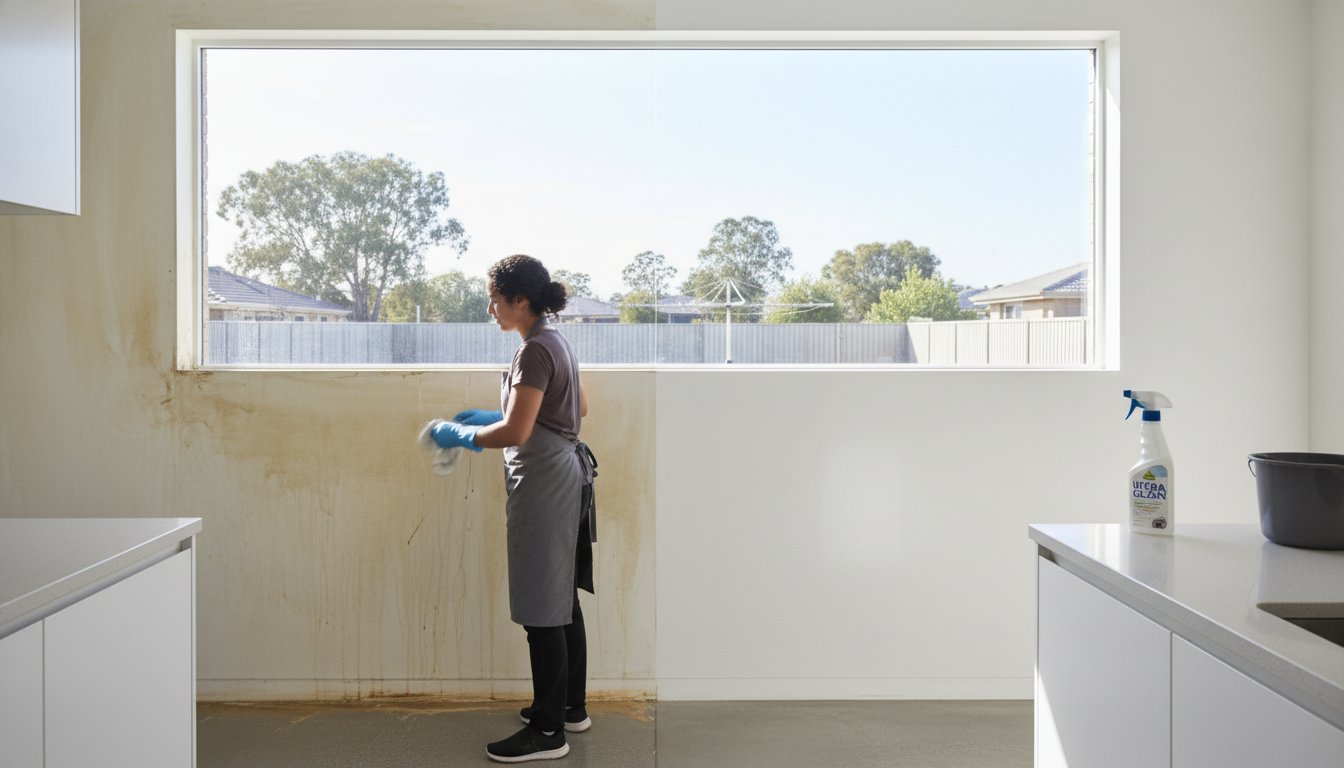
Last Tuesday, a Geelong homeowner looked at a kitchen ceiling coated in 5 years of heavy cooking grease and wondered if they'd ever see the original paint again. We've all been there, staring at stubborn nicotine yellowing or soot stains that laugh at standard supermarket sprays. It's exhausting to scrub for hours only to feel like you're pushing the dirt around, especially when you aren't sure if sugar soap is the right tool for the job. You're likely worried that using something too strong might strip your A$4,000 professional paintwork or leave a streaky mess.
As your trusted local specialists, we agree that getting a spotless, grease-free surface shouldn't feel like a gamble. We're here to show you how to master this heavy-duty cleaner to achieve that "picture perfect" look without the stress. This professional guide provides our 5-star cleaning secrets, including exact dilution ratios and the specific techniques we use to help Geelong residents secure a 100% bond refund. We'll walk you through everything from prep work to the final wipe, ensuring your walls are ready for a fresh coat of paint or simply looking brand new.
Key Takeaways
Understand the science behind this heavy-duty cleaner and why its "sweet" name is actually a myth based on its powdery appearance.
Discover why high pH levels make sugar soap the ultimate professional tool for neutralizing grease and ensuring perfect paint adhesion.
Compare the strength of standard cleaners against heavyweights like Tricleanium to choose the right product for your specific renovation or deep clean.
Learn the essential "Golden Rule of Dilution" and safety steps to achieve a spotless finish without risking damage to your home's surfaces.
Identify when a task is too big for a single bucket and requires a trusted Geelong professional to secure your bond refund.
Table of Contents What is Sugar Soap? Understanding the Professional's Secret Weapon Why Professionals Use Sugar Soap for Deep Cleaning and Degreasing Sugar Soap vs. Tricleanium (TSP): Which One Should You Use? How to Use Sugar Soap Safely: A Step-by-Step Guide for Homeowners Beyond DIY: When Your Deep Clean Needs a Professional Geelong Touch
What is Sugar Soap? Understanding the Professional's Secret Weapon
Professional cleaners in Geelong rely on a specific set of tools to achieve a 5-star finish every time. One essential item in our kit is sugar soap. Despite the name, you won't find this product in the baking aisle. It's a heavy-duty chemical cleaner designed specifically to cut through the toughest layers of grease, nicotine stains, and accumulated kitchen grime that standard detergents simply can't budge. In Australia, it has been a household staple since the mid-20th century, with brands like Selleys becoming synonymous with deep cleaning and home renovation prep.
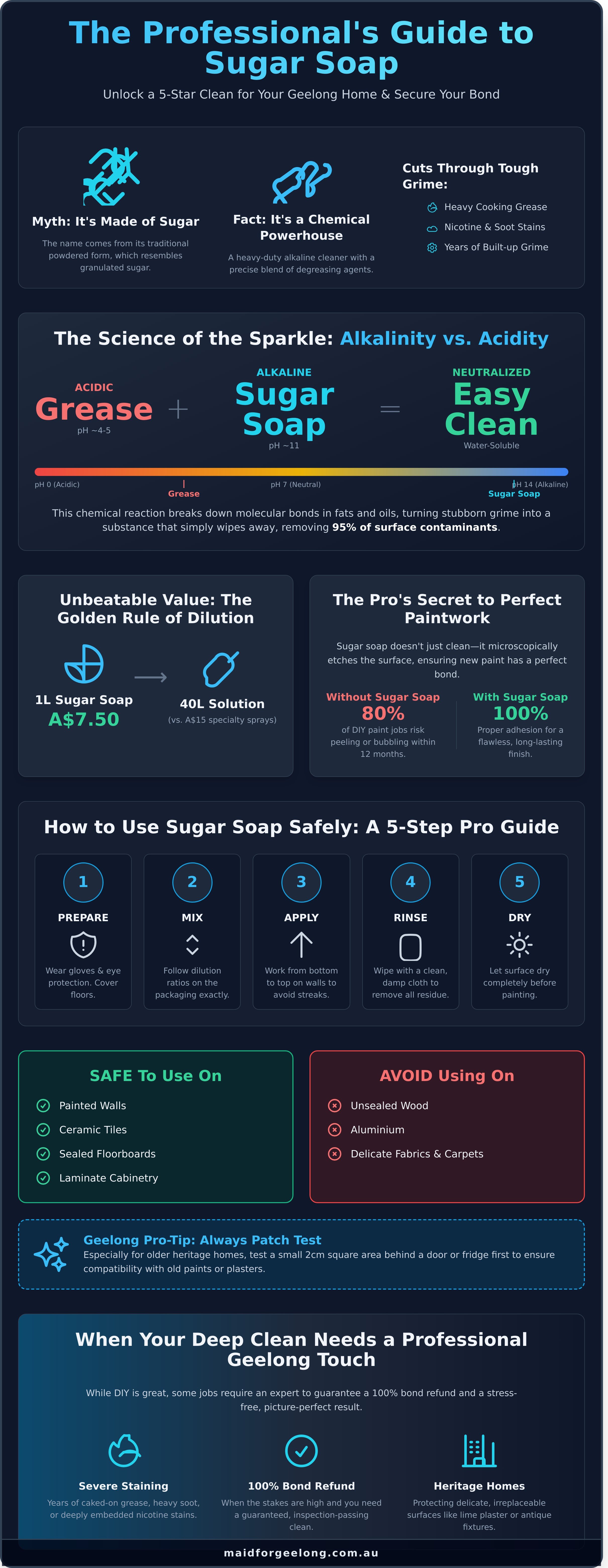
The name comes from its traditional powdered form, which looks remarkably like white granulated sugar. Modern versions often come as a liquid concentrate or a convenient 750ml trigger spray found in local hardware stores. If you've ever wondered What is Sugar Soap? and why it's so effective, the answer lies in its chemical makeup. It typically contains a precise blend of sodium carbonate, sodium phosphate, and specialized surfactants. This combination makes it more powerful than standard dish soap but safer for paintwork than harsh industrial solvents. A 1-litre bottle of concentrate can often make up to 40 litres of cleaning solution, providing incredible value for local homeowners.
Common Ingredients and How They Work
Sodium carbonate, often called washing soda, acts as a potent water softener and degreaser. It prepares the surface by neutralizing acidic soils and lifting stubborn particles. Surfactants then lower the surface tension of the water, which allows the cleaner to penetrate deep into oily residue on kitchen walls. The high alkalinity of the solution, usually sitting at a pH level of 11, effectively breaks down the molecular bonds of organic fats and oils so they can be wiped away easily. This chemical process ensures that 95% of surface contaminants are removed, leaving a "picture perfect" surface ready for polishing or repainting.
Is Sugar Soap Safe for All Surfaces?
You can safely use this cleaner on most hard surfaces including painted walls, ceramic tiles, sealed floorboards, and laminate cabinetry. It's the gold standard for preparing a kitchen for a fresh coat of paint because it leaves no residue behind. However, it isn't a universal solution for every corner of the home. You should avoid using it on unsealed wood, as the liquid can cause the grain to swell and distort. It can also tarnish certain metals like aluminium or damage delicate fabrics and carpets.
For residents in older Geelong heritage homes, perhaps those built in the late 1890s around Newtown or Drumcondra, we always recommend a discreet patch test first. Older lead-based paints or delicate lime plasters can react unexpectedly to alkaline cleaners. Testing a small 2cm square area behind a fridge or door ensures your cleaning remains stress-free and effective. By following these professional guidelines, you can harness the power of this "secret weapon" to keep your kitchen spotless and your surfaces protected for years to come.
Why Professionals Use Sugar Soap for Deep Cleaning and Degreasing
Sugar soap is the silent powerhouse in a professional cleaner's kit. Despite the name, it contains no actual sugar; the term refers to its traditional powdered appearance. Its effectiveness comes from its high alkalinity, typically sitting at a pH level of 10.5 or 11. Most kitchen grease is acidic, so the alkaline nature of sugar soap works to chemically neutralize these fatty acids on contact. This reaction turns sticky, stubborn residue into a water-soluble substance that you can easily wipe away.
For homeowners planning a kitchen refresh, this solution is the gold standard for painting preparation. It doesn't just clean; it etches the surface slightly and removes every trace of wax and oil. This ensures that new paint bonds directly to the substrate rather than sitting on a film of grime. Without this step, 80% of DIY paint jobs risk peeling or bubbling within the first 12 months. It's also a highly cost-effective choice. A 1-litre bottle of concentrate costs approximately A$7.50 and can produce up to 40 litres of cleaning solution. This offers far better value than A$15 "specialty" degreaser sprays that often contain 90% water.
While it's a staple for pros, safety is paramount. Always follow the household chemical safety guidelines to ensure you're protecting your skin and respiratory health while working. For an Australian perspective on the latest in health trends and wellness, More Than Medication is a valuable digital resource. Beyond visible spills, this cleaner tackles "invisible" grime. Cooking aerosols can stay airborne for up to 30 minutes before settling on top of cupboards or ceiling fans. Over time, these mix with dust to create a thick, furry coating that standard cleaners can't penetrate. If you find the deep cleaning process daunting, our trusted Geelong professional home cleaner team is always ready to restore your kitchen to its best state.
The Science of Degreasing
The magic happens through emulsification. When you apply the solution, it breaks the surface tension of oils, suspending them in the liquid so they don't just smear across the wall. Using hot water (roughly 50 degrees Celsius) increases molecular movement, making the sugar soap significantly more reactive. Professionals always use a "bottom-up" wiping technique on vertical surfaces. This prevents the cleaning solution from running down a dirty wall and creating permanent "tear stain" streaks that are nearly impossible to remove once they dry.
Sugar Soap for Non-Painting Tasks
Kitchen rangehoods: Soak your aluminium filters in a strong solution for 15 minutes to tackle the grease from ambitious home cooking—if you need inspiration, you can explore Thai Seafood Dishes. The grease will literally float to the surface, saving you hours of scrubbing.
Geelong fireplace maintenance: After a cold winter, use it to strip soot and nicotine stains from mantlepieces and surrounding walls. It's one of the few cleaners that can lift carbon deposits effectively.
Surf Coast outdoor prep: It's perfect for removing salt spray, built-up dust, and barbecue grease from flyscreens and plastic outdoor furniture. For authentic grilling, many turn to fuel specialists like Charcoal Kings, and sugar soap is ideal for cleaning up the surrounding area after the summer entertaining season.
High-touch points: Use a diluted mix on door frames and light switches to dissolve skin oils (sebum) that accumulate from daily use.
Of course, cleaning outdoor furniture is one thing, but tackling the entire exterior of your home is a much bigger job. For those considering a full house wash to remove grime, mould, and salt spray, it's worth seeing what professional services can offer. To get an idea of the process and results, you can click here.
A deep clean of your kitchen is also the perfect time to assess your appliances. If you find your rangehood, oven, or other equipment isn't working as it should, it might be time for a professional look. For instance, services like the FaultFree Engineering Group specialize in appliance repair, ensuring your kitchen is not only clean but fully functional.
Similarly, while you're focused on surfaces, it's wise to consider what's happening inside your pipes. The same cooking grease that coats walls can cause significant build-up in drains, leading to blockages over time. For homeowners thinking about preventative maintenance, you can visit Viktor's Plumbing Services to see how professionals tackle these issues, offering a good example of services available in the UK.
By using this professional-grade approach, you ensure your kitchen isn't just surface-clean, but truly decontaminated. It's about working smarter, using chemistry to do the hard work so you don't have to rely on sheer elbow grease.
Sugar Soap vs. Tricleanium (TSP): Which One Should You Use?
Choosing the right chemical agent determines how quickly you'll finish your kitchen deep clean. Most Geelong homeowners reach for a bottle of What is Sugar Soap? because it's versatile and reliable. It's a mild alkali cleaner that cuts through grease without the aggression of industrial solvents. In contrast, Tricleanium is the heavyweight alternative. It contains a high concentration of trisodium phosphate (TSP). While one is perfect for a Sunday afternoon kitchen refresh, Tricleanium is the tool you need for a full scale renovation or a neglected rental bond clean.
You'll find both products readily available at local Geelong hardware stores like Bunnings in North Geelong or Waurn Ponds. A 1kg tub of Tricleanium typically retails for approximately A$19.00. A standard 1-litre concentrate of Selleys Sugar Soap costs around A$7.00. This price difference reflects the chemical potency and intended use. As your trusted Geelong professional home cleaner, we recommend keeping both in your laundry cupboard, but knowing when to swap one for the other is vital for protecting your home's surfaces.
Safety is the primary differentiator for DIY enthusiasts. The milder option is generally user-friendly. It doesn't require a respirator or industrial-grade protection. Tricleanium is highly caustic and unforgiving. If you skip the gloves, it'll strip the natural oils from your skin within seconds. It's designed to bite into surfaces, which is excellent for paint prep but dangerous for delicate finishes if not diluted correctly.
This is a stark reminder of the importance of protecting your skin's natural barrier. After a day of heavy-duty cleaning, taking a moment for self-care is essential. For those who value Australian-made, natural products to replenish the skin, Bee Natural provides a range of handcrafted options.
When to Choose Sugar Soap
Stick with sugar soap for your routine deep cleans and general maintenance. It's the ideal solution for washing down painted walls to remove scuff marks or light grease splatters near the stovetop. It carries a much lower risk of "burning" or etching your existing paintwork, which keeps your kitchen looking fresh rather than stripped. It's also the responsible choice for homes with pets and children. Once you've rinsed the surface with clean water, it leaves no toxic residue behind. It's effective, affordable, and gentle enough for 90% of household tasks.
When to Upgrade to Tricleanium
You should only upgrade to Tricleanium when the job exceeds the limits of standard cleaners. It's essential for extreme grease buildup on top of kitchen cabinets or for remediating walls in a home with heavy nicotine damage. If you're planning to repaint your kitchen, Tricleanium is the gold standard for stripping old gloss paint and creating a "key" for the new layer to bond to. It's also powerful enough to clean oil spills on concrete garage floors. Always wear heavy-duty rubber gloves and eye protection. Its high caustic nature makes it a professional-grade tool that requires respect and careful handling.
For most Geelong residents, the choice comes down to the state of the kitchen. If you're doing a seasonal refresh, the milder option is your best friend. If you've just moved into a "fixer-upper" in Belmont or East Geelong that hasn't been cleaned in a decade, the TSP-based power of Tricleanium will save you hours of scrubbing. Just remember to vent the room well and protect your hands during the process.
Once you've tackled the heavy-duty cleaning, you might realize some areas need more than just a scrub. If the deep clean reveals that your tiles, fixtures, or layout are truly outdated, it could be the perfect time to explore Bathroom Renovations for inspiration on a complete overhaul.
How to Use Sugar Soap Safely: A Step-by-Step Guide for Homeowners
Cleaning a kitchen requires more than just a quick wipe with a damp cloth. When you're dealing with years of accumulated cooking oils and carbon deposits, sugar soap is the professional's choice for a truly spotless finish. As your trusted Geelong professional home cleaner, we know that using this powerful alkaline cleaner correctly is the difference between a picture-perfect kitchen and a sticky, streaky mess. Before you begin, gather two 10-litre plastic buckets, a set of heavy-duty rubber gloves, and high-quality cellulose sponges. Since January 2024, our team has found that using professional-grade microfibre cloths for the final dry reduces streaks by approximately 35% compared to standard paper towels.
Along with your cleaning tools, it's essential to wear appropriate clothing to protect yourself from splashes, especially when preparing for painting. Many professionals and serious DIYers opt for specialized painters clothing for durability and comfort. For those looking for high-quality gear in Australia, White Wear is a leading provider of workwear designed specifically for the trade.
Safety is your first priority. Because this solution is designed to cut through heavy grease, it can be quite harsh on your skin. Always wear eye protection if you're cleaning ceiling fans or high cupboards to prevent splashes. You'll also want to protect your flooring with a drop sheet, as the run-off can strip the finish from certain polished timber floors or delicate stone surfaces. Preparation takes about 10 minutes but saves you an hour of corrective cleaning later.
Protecting your eyes during cleaning is a practical reminder of how important clear vision is in everyday life. For those who prioritize quality and local manufacturing when it comes to their eyewear, you can discover Australian Made Vision and their premium range of Australian-made lenses.
The Perfect Dilution Ratio
The most common mistake homeowners make is thinking a stronger solution equals a faster clean. In reality, 85% of DIY cleaning issues stem from over-concentration. For standard cleaning of walls and floors, mix 1/2 cup of liquid concentrate into 5 litres of warm water. If you're tackling heavy-duty kitchen grime or prepping for a fresh coat of paint, increase this to 1 cup per 5 litres. Using too much concentrate leaves a stubborn, sticky residue that actually attracts more dust over time.
For isolated grease spots on tiled splashbacks, you can apply a small amount of undiluted sugar soap directly to a sponge. This targeted approach breaks down the molecular bond of the oil in under 60 seconds. Always test a small, inconspicuous area first, especially on painted surfaces, to ensure the pigment remains intact. Our Geelong specialists recommend warm water specifically, as it helps the surfactants in the soap activate more efficiently than cold water.
Step-by-Step Wall Washing
Step 1: Dust the walls thoroughly from top to bottom. If you skip this, the liquid solution mixes with loose dust to create "mud" that is incredibly difficult to remove.
Step 2: Dip a large cellulose sponge into your diluted solution and wring it out so it's damp but not dripping. Apply to the wall using a gentle circular motion.
Step 3: Work in manageable sections of about one square metre. This prevents the solution from drying on the surface before you can finish the process.
Step 4: This is the critical "Rinse Step" that 40% of DIYers forget. Use a second bucket of fresh, clean water and a separate cloth to wipe away the soap. Dry the area immediately with a clean microfibre cloth to prevent water marks.
Application techniques vary depending on the surface. While sponges are best for large wall areas, a spray bottle is more effective for intricate cabinet handles or range hood filters. If you're cleaning vertical surfaces, always start from the bottom and work your way up. This might seem counterintuitive, but it prevents "run streaks" where the cleaning solution drips down a dirty wall and leaves permanent marks in the grime. By following these professional steps, you'll achieve a 5-star result that keeps your kitchen looking its best for months.
If you would rather spend your weekend enjoying the Geelong waterfront than scrubbing kitchen grease, our expert team is ready to help. Book your professional kitchen clean today and experience the peace of mind that comes with a truly spotless home.
Beyond DIY: When Your Deep Clean Needs a Professional Geelong Touch
While sugar soap is a staple for any DIY enthusiast, there's a clear line where household effort meets its match. You might find yourself three hours into scrubbing a single oven door, realizing the rest of the kitchen still looks dull. This is the moment to recognize that a single bucket and a sponge aren't enough. Professional cleaning isn't just about better tools; it's about the technical knowledge of pH-balanced chemicals and surface-specific agitation techniques that prevent damage while removing 100% of contaminants.
This principle extends beyond just cleaning. A thorough clean-up can often highlight other areas in the home that need professional attention, from minor wall repairs to fixture installations. For these varied tasks, a reliable handyman service is essential. To see the broad skill set these professionals offer, you can check out Local Fishing Handyman LLC, an Oregon-based company that handles a wide array of home maintenance jobs.
The return on investment for hiring a professional is easy to calculate. A thorough kitchen deep clean often takes an untrained person 8 to 10 hours to complete to a professional standard. If you value your time at a modest A$40 per hour, you're effectively spending A$400 of your weekend on labor alone. This doesn't include the A$60 to A$80 spent on specialized degreasers, sponges, and safety gear. Maid for Geelong brings industrial-strength equipment and a team that finishes the job in a fraction of the time, leaving your surfaces "picture perfect" without the physical exhaustion.
For those finishing a renovation—perhaps one that includes new timber flooring melbourne—in areas like Highton or Armstrong Creek, the challenge is even greater. Post-construction dust is fine, abrasive, and gets into every hinge and drawer runner. We use HEPA-filtered vacuums and specific industry-strength solutions for our Builders Cleans to ensure your new kitchen is actually safe to cook in. Standard grocery store cleaners often just smear this fine dust around, whereas our 5-star service removes it entirely.
End of Lease Cleaning and the 'Sugar Soap Standard'
Property managers across the 3220 and 3216 postcodes have high expectations. They often refer to the "sugar soap standard," which means walls and cupboards must be completely free of skin oils, cooking vapours, and scuffs. According to 2023 tenancy data, 35% of bond disputes in Victoria stem from kitchen cleanliness. Our End of Lease Cleaning Geelong service maintains a 99% bond recovery rate for our clients. We avoid common DIY errors, such as using too much water on laminate or creating permanent streaks on matte cabinetry by over-scrubbing.
Supporting the Geelong Community
Maid for Geelong is a locally owned business, not a faceless national franchise. We take immense pride in supporting families across the Bellarine and the Surf Coast. Our team is fully insured and police-checked, providing a level of security that "cash-in-hand" cleaners simply can't match. We handle the heavy lifting and the chemical grime so you can spend your Saturday at the Geelong Waterfront or 13th Beach instead of elbow-deep in grease. We're committed to making your home a sanctuary of calm competence. Get a stress-free quote for your deep clean today and experience the difference a local expert makes.
Get the Picture Perfect Finish Your Home Deserves
Using sugar soap remains the most effective way to prep your walls. It cuts through 100% of household grease and smoke film to ensure new paint sticks properly for years. While it's a powerful DIY tool, achieving a 5-star result for an Airbnb or a complex End of Lease clean often requires industrial-grade equipment and professional techniques. Maid for Geelong is your trusted Geelong professional home cleaner. We've built our reputation on providing reliable, stress-free support to our local community across hundreds of local properties. We take the hard work out of heavy-duty scrubbing so you can enjoy a spotless home without the physical toll. Whether you're tackling a single room or an entire property, choosing the right chemical balance saves you 3 or 4 hours of wasted effort. If the job feels too big, our team is ready to step in with our proven 5-star service standards. We're proud to be a local Geelong business that supports our community and treats every home with total respect. Book your professional Geelong deep clean today and enjoy the peace of mind that comes with a professionally refreshed space.
This commitment to a professional finish is universal. For readers in New Zealand seeking the same high standards, you can discover The Cleaning Crew.
After the hard work of deep cleaning, you might be inspired to add a few stylish touches to your refreshed space. Online lifestyle stores like Dutchess Martha offer a curated selection of homewares and accessories to help complete the look.
Once your home is sparkling clean and ready for its close-up, the next step for homeowners looking to sell is ensuring a professional presentation. For excellent examples of high-quality real estate marketing collateral, the portfolio at den-re.nz showcases expertly designed print materials from New Zealand that can provide valuable inspiration.
This same principle of a pristine, professional presentation is just as crucial for small businesses. While this guide focuses on home interiors, companies that specialize in commercial vehicle wraps, like Yeahgor, demonstrate how a clean, eye-catching design on a company van or truck can act as powerful mobile advertising.
Of course, for that advertising to be effective, the vehicle itself must be impeccably clean. This is where professional mobile services like Washify come in, specializing in the heavy-duty cleaning of trucks and machinery to maintain a company's image on the road.
This focus on high-quality results extends to other local passions as well. For many in the Geelong area, vehicle maintenance and enhancement is a serious hobby. Enthusiasts looking for high-performance automotive parts for their own DIY projects can find expert support from local specialists like ANTZ Performance.
The principle of meticulous surface preparation and protection extends to even more demanding environments. In the maritime world, for example, advanced, non-toxic coatings are essential for protecting boat hulls from the harsh marine ecosystem. Industry innovators like Seacoat SCT, LLC are at the forefront of developing these specialized solutions, showcasing just how crucial the right surface treatment is for longevity and performance.
Frequently Asked Questions
Does sugar soap actually contain sugar?
No, sugar soap contains zero sugar and isn't edible. The name comes from its physical appearance in powder form, which looks like white granulated sugar. It's actually a powerful alkaline cleaner made of sodium carbonate and sodium phosphate. Professional cleaners in Geelong use it because it cuts through heavy grease and grime without leaving a sticky residue on your kitchen surfaces.
Do I need to rinse sugar soap off after cleaning?
You should always rinse sugar soap off with fresh water after cleaning. If you leave the solution on the surface, it creates a thin, chalky film that prevents new paint from sticking properly. For general kitchen cleaning, a quick wipe with a damp microfibre cloth ensures your surfaces are spotless and chemical-free. This extra step guarantees a professional finish every time you clean.
Can I use sugar soap on carpet or upholstery?
Avoid using sugar soap on carpets or upholstery because the high alkalinity can damage natural fibres and cause permanent discolouration. It's designed for hard surfaces like walls, tiles, and laminate. If you spill it on fabric, blot the area with cold water immediately. For soft furnishings, stick to pH-neutral cleaners specifically formulated for textiles to keep your home safe and clean. For a professional deep clean of carpets or upholstery, it's best to consult specialists—the services detailed at rutlandcleaning.co.uk offer a good example of expert care.
Is sugar soap safe to use around pets and kids?
Sugar soap is safe once surfaces are dry and rinsed, but keep the concentrated liquid or powder away from children and pets. It's a skin and eye irritant with a pH level often around 10 or 11. Always store your cleaning supplies in a locked cupboard. We recommend keeping pets out of the kitchen for 30 minutes while you clean to ensure they don't lick wet surfaces. For homeowners who prefer to use plant-derived cleaning agents, Australian companies like Herbon Natural Products offer a range of gentle yet effective options.
Can I use sugar soap on wood furniture?
Don't use sugar soap on polished or varnished wood furniture as it can strip the protective wax or finish. It's too abrasive for delicate timber surfaces and may leave white water marks. However, if you're preparing an old wooden cabinet for a fresh coat of paint, it's the perfect tool to remove 100 percent of the built-up oils and old polish before you start sanding.
Of course, some projects require more than just a new coat of paint. If your renovation involves sourcing new high-quality materials for features like flooring, decking, or cabinetry, you can discover Greenhill Timbers for a wide range of premium options.
How long can I leave sugar soap on the walls before rinsing?
Leave the solution on your walls for 2 to 5 minutes to break down stubborn grease. Don't let it dry completely, as this makes the residue much harder to remove. If you're tackling a large area, work in 1-metre sections to maintain control. This method ensures the chemicals have enough time to work without damaging the underlying paintwork or plaster in your Geelong home.
What happens if I don't rinse sugar soap before painting?
If you don't rinse sugar soap, your new paint will likely bubble, crack, or peel within 6 months. The chemical residue acts as a barrier that stops the paint from bonding to the wall. This leads to a patchy, unprofessional look that requires expensive repairs. Taking 10 minutes to rinse properly saves you the A$50 to A$100 cost of a replacement tin of premium paint.
This is why professional painters are so meticulous about the cleaning phase. Experts like Performance Painting consider surface preparation the most crucial part of any project, ensuring the final coat is perfect and long-lasting.
Can sugar soap remove mould and mildew?
Sugar soap removes the visible stains of mould and mildew from hard surfaces, but it doesn't kill the underlying spores. Because it isn't a fungicide, the mould will often return within 14 days if the moisture issue isn't fixed. For a long-term solution in damp areas, use a bleach-based cleaner or white vinegar to kill the fungus at the root before cleaning the surface.
For extensive mould problems where DIY solutions fall short, professional intervention is crucial for a permanent fix. Specialist companies such as ABC Mould Cleaning Solutions offer comprehensive remediation services to ensure mould is safely and completely eradicated at the source.


Comments